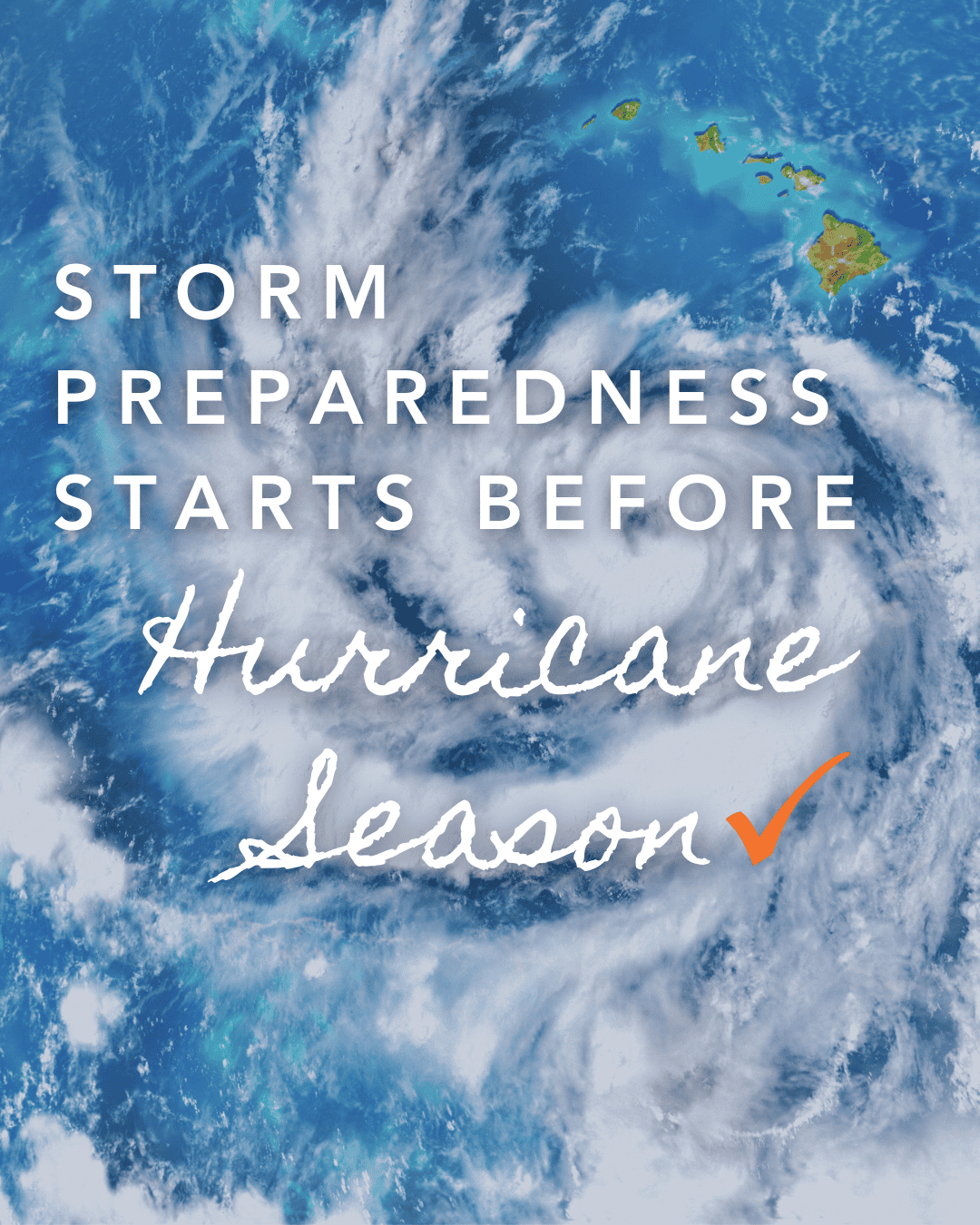
Hurricane season in Hawai'i officially runs from June 1 through November 30, making now the ideal time for homeowners to prepare their properties before severe weather threatens the islands.
While major hurricanes are relatively uncommon in Hawai'i, tropical storms, heavy rainfall, flooding, strong winds, and power outages can affect communities across O'ahu and the neighboring islands. Taking proactive steps before a storm develops can help protect your home, reduce potential damage, and provide peace of mind throughout hurricane season.
Why Storm Preparedness Matters for Hawai'i Homeowners
Living in paradise comes with unique weather-related risks. From coastal flooding and high winds to landslides and flash flooding, Hawai'i homeowners face challenges that can vary dramatically from one neighborhood to another.
Whether you own a single-family home, condominium, townhome, or investment property, preparing in advance is one of the most effective ways to protect both your property and your family.
Waiting until a hurricane watch or warning is issued can leave homeowners scrambling for supplies and contractors when demand is highest. Preparing early allows you to address potential vulnerabilities before they become costly problems.
Review Your Insurance Coverage
One of the most important steps homeowners can take is reviewing their insurance policies.
Confirm that your homeowners insurance is current and understand exactly what is covered. It's also important to determine whether flood insurance may be necessary for your property's location. Standard homeowners policies often do not cover flood-related damage.
Understanding your coverage before a storm occurs can help avoid unexpected surprises during the claims process.
Inspect and Clear Gutters and Drains
Heavy rainfall can quickly overwhelm clogged drainage systems.
Remove leaves, debris, and other obstructions from gutters, downspouts, and drains to help water flow away from your home efficiently. Proper drainage can significantly reduce the risk of water intrusion and property damage.
Trim Trees and Landscaping
Trees and large branches can become hazards during high winds.
Inspect your landscaping and remove dead limbs or overgrown branches that could fall onto structures, vehicles, fences, or power lines. Regular maintenance can help minimize storm-related risks while improving the overall appearance of your property.
Secure Outdoor Furniture and Loose Items
Patio furniture, grills, planters, decorations, and other outdoor items can become dangerous projectiles during strong winds.
Create a plan for securing or storing these items before a storm arrives. Taking a few minutes to secure your outdoor spaces can help prevent damage to your home and neighboring properties.
Build an Emergency Supply Kit
Every household should maintain a well-stocked emergency kit.
Consider including:
- Bottled water
- Non-perishable food
- Flashlights
- Batteries
- Portable phone chargers
- First-aid supplies
- Prescription medications
- Important personal items for family members and pets
Experts often recommend maintaining enough supplies to be self-sufficient for several days following a storm.
Protect Important Documents
Store essential documents in a secure and easily accessible location.
Items such as insurance policies, identification documents, medical records, property records, and financial information should be protected from water damage and readily available if evacuation becomes necessary.
Digital backups can also provide an added layer of security.
Know Your Flood Zone and Evacuation Routes
Flooding remains one of the most significant hazards associated with tropical weather systems.
Homeowners should familiarize themselves with local flood risks, evacuation zones, and emergency routes before storm season intensifies. Understanding your property's vulnerabilities can help you make informed decisions if severe weather threatens your area.
Local Knowledge Makes a Difference
One of the unique aspects of living in Hawai'i is how dramatically weather conditions can vary from one community to another.
A neighborhood that experiences minor impacts during a storm may be only a few miles from an area facing significant flooding or wind damage. Factors such as elevation, proximity to the ocean, drainage systems, and surrounding terrain all play important roles in how individual properties are affected.
This makes local knowledge and preparation especially valuable for Hawai'i homeowners.
Protecting Your Home and Investment
For many families, a home is both their largest financial investment and the center of daily life. Taking preventive measures before hurricane season can help reduce stress, minimize potential damage, and improve recovery efforts if severe weather occurs.
Preparation doesn't have to be complicated. A few simple steps taken today can make a significant difference when storms threaten Hawai'i later in the season.
As hurricane season begins, now is the time to review your plans, inspect your property, and ensure your home is ready for whatever the months ahead may bring.