Table of Contents
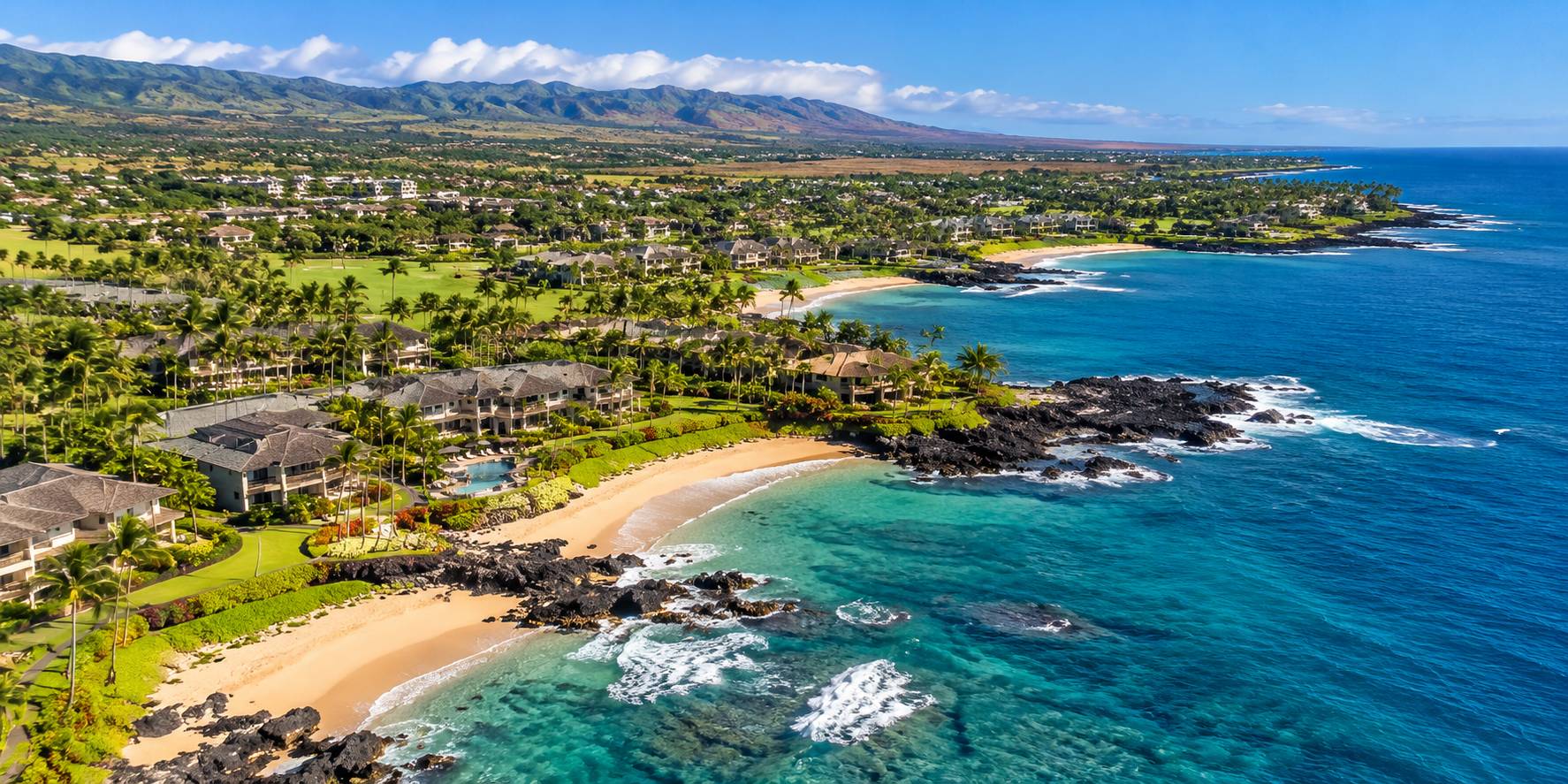
Kōloa and Poʻipū offer some of Kauaʻi's most recognizable residential and resort real estate, from condominiums near the beach to luxury homes overlooking the Pacific. But buying here involves more than choosing a property with the right view.
Ownership structures, vacation rental regulations, association fees, and insurance requirements can vary significantly between properties, even within the same neighborhood.
At Hawaiʻi Modern Realty, we've helped more than 3,000 families navigate Hawaiʻi real estate decisions. As a locally owned, independent brokerage, we combine local expertise with modern property-search tools and personalized guidance.
Whether you're relocating to Kauaʻi, purchasing a second home, or exploring an investment property, here's what to know about real estate in Kōloa, Hawaiʻi, before making an offer.
Understanding the Kōloa and Poʻipū Real Estate Market
Kōloa and Poʻipū are closely connected, but they offer different residential experiences.
Historic Kōloa Town has a small-town atmosphere, local businesses, and residential neighborhoods. Nearby Poʻipū is known for its beaches, resort communities, and vacation-oriented properties.
Both areas attract buyers looking for South Shore living, although their housing options and ownership costs can differ.
Why Kauaʻi-wide prices don't tell the whole story
When researching Kōloa real estate, it's tempting to rely on Kauaʻi's median home price.
However, island-wide figures combine properties from very different markets, including Līhuʻe, Kapaʻa, Princeville, and the South Shore.
Luxury home sales can also influence median prices when transaction volumes are relatively small.
For a more useful comparison, we recommend reviewing:
Recent closed sales: What comparable Kōloa and Poʻipū properties actually sold for.
Active inventory: The homes and condominiums currently competing for buyers.
Days on market: How quickly similar properties are selling.
Price reductions: Whether sellers are adjusting expectations.
Property-specific costs: Association fees, insurance, and other recurring expenses.
The Kauaʻi Board of REALTORS® and Hawaiʻi REALTORS® are useful starting points for broader market information.
For a specific purchase, we recommend comparing properties within the same community or property category whenever possible.
Are Kōloa home prices dropping?
The answer depends on the type of property and the period being measured.
A decline in Kauaʻi's overall median price doesn't necessarily mean Poʻipū condominiums or Kōloa luxury homes have become less expensive.
Likewise, a rising median doesn't mean every property is appreciating.
Buyers should compare recent closed sales against current asking prices and evaluate how long similar listings have remained available.
You can begin exploring the local market through our Kōloa homes and properties for sale page, which includes current listings and property details.
What Types of Properties Can You Buy in Kōloa and Poʻipū?
Kōloa's real estate market includes several property categories, each suited to different ownership goals.
Property type | Potential advantages | Important considerations |
|---|---|---|
Condominiums | Shared maintenance responsibilities and access to community amenities | HOA fees, reserves, insurance, and rental restrictions |
Single-family homes | More control over the property and private outdoor space | Maintenance, insurance, and location-specific costs |
Luxury and ocean-view homes | Distinctive settings, larger residences, and premium features | Higher acquisition costs and specialized maintenance |
Vacant land | Opportunity to explore building a home | Zoning, utilities, access, permits, and development restrictions |
Condominiums and resort residences
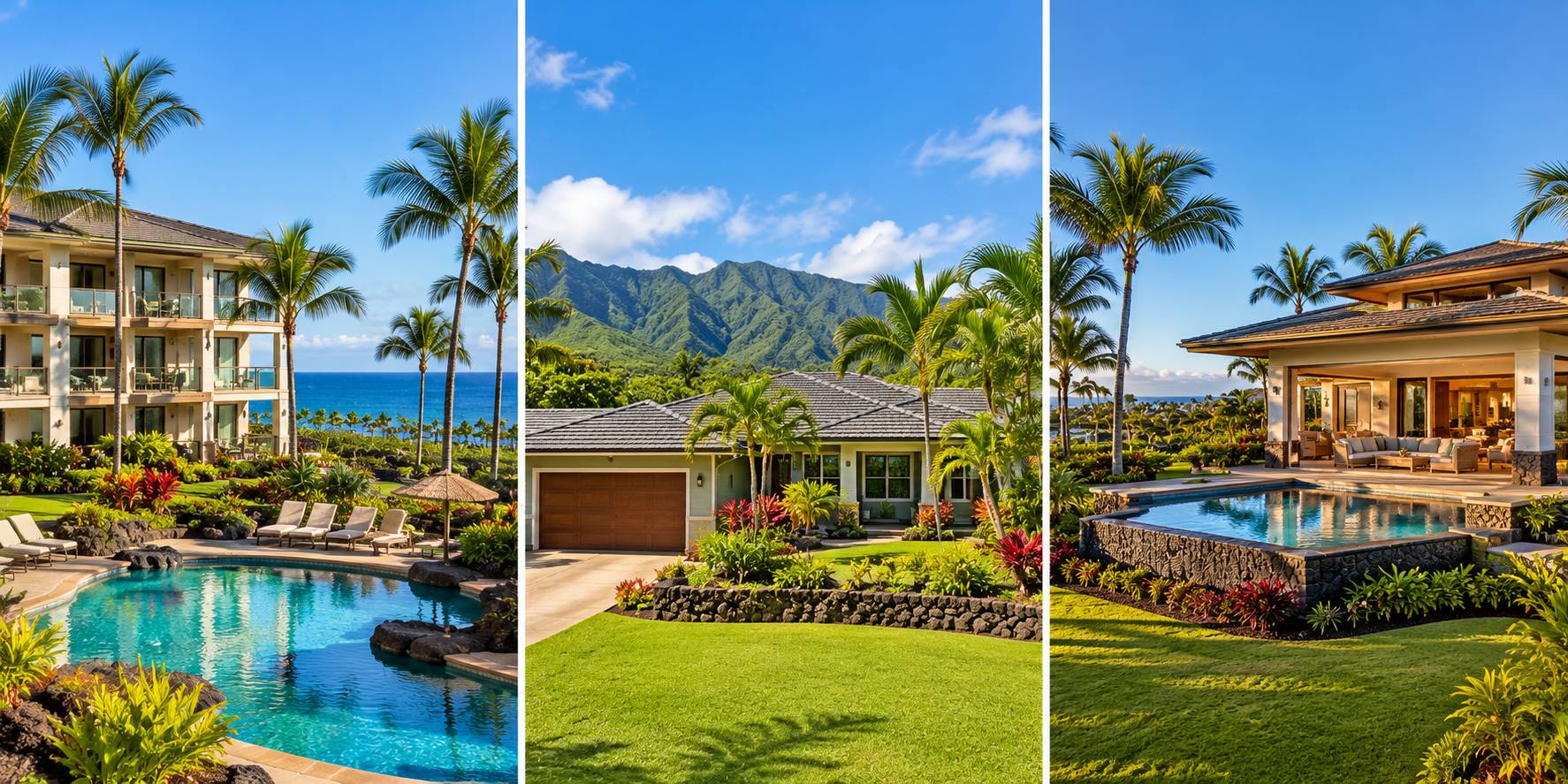
Poʻipū has several established condominium and resort communities, including Poʻipū Kai, Pili Mai, and properties around Kiahuna.
These communities may appeal to buyers seeking a second home, a smaller residence, or a property with shared amenities.
However, condominium ownership comes with financial responsibilities beyond the purchase price.
Before buying, review the association's budget, reserve study, insurance coverage, and any anticipated special assessments.
Under Hawaiʻi's condominium law, HRS Chapter 514B, condominium associations operate within a legal framework governing matters such as association administration and owner responsibilities.
The specific governing documents remain essential to understanding an individual property.
Single-family and luxury homes
Kōloa and Poʻipū also offer detached homes, including properties with ocean views, private pools, and landscaped outdoor living areas.
For these purchases, location and property conditions can influence value as much as interior square footage.
Consider proximity to the coastline, maintenance exposure, neighborhood restrictions, and the cost of caring for the property when you're away.
Vacant land and agricultural parcels
Buying land can provide more flexibility, but it requires additional due diligence.
A parcel's zoning and state land-use designation do not automatically guarantee permission to construct a particular home.
Before purchasing, investigate access, water availability, wastewater requirements, building setbacks, and applicable agricultural restrictions.
The Hawaiʻi State Land Use Commission provides information about statewide land-use classifications.
Fee Simple vs. Leasehold: Know What You're Buying
Ownership structure is one of the most important details to confirm when purchasing Hawaiʻi real estate.
Fee simple ownership generally means the buyer owns the real property, subject to applicable laws, restrictions, and encumbrances.
Leasehold ownership means the buyer acquires an interest in the property under a land lease rather than owning the underlying land outright.
Leasehold properties may have lower asking prices, but buyers need to consider additional factors:
Remaining lease term
Ground rent and potential increases
Lease renegotiation provisions
Financing eligibility
Resale considerations
What happens when the lease expires
A lower purchase price doesn't necessarily mean a lower long-term ownership cost.
Financing can also be more complicated. Lenders may impose requirements related to the remaining lease term and other provisions.
The Fannie Mae Selling Guide provides relevant guidance for eligible leasehold mortgage transactions.
We recommend reviewing the recorded ownership documents and obtaining appropriate legal advice before committing to a leasehold purchase.
Can You Use a Poʻipū Property as a Vacation Rental?
One of the most important questions for prospective buyers is whether a property can legally operate as a short-term vacation rental.
Not every property in Poʻipū qualifies for vacation rental use.
Kauaʻi County regulates transient vacation rentals through zoning requirements and other applicable rules. Certain properties may have lawful nonconforming-use status, while others may be subject to different requirements.
A property located near a resort or beach is not automatically eligible.
What should buyers verify?
Before relying on potential rental income, confirm:
Whether the property is legally eligible for the intended rental activity.
Whether existing permits or approvals are valid and applicable after the sale.
Whether the association permits short-term rentals.
Whether management agreements or operational restrictions apply.
Which taxes, insurance requirements, and ongoing expenses affect the property's finances.
The Kauaʻi County Planning Department is an important resource for confirming applicable regulations.
Even when a property has an established rental history, past performance doesn't guarantee future income or continued eligibility.
We encourage buyers to review rental records and applicable rules independently before treating projected revenue as part of their purchasing budget.
Understand the True Cost of Owning Property in Kōloa
The purchase price is only the beginning of your financial commitment.
Kauaʻi property ownership may involve expenses that differ from those associated with mainland homes.
Property taxes
Kauaʻi County uses different real property tax classifications, including categories relevant to residential, homestead, and vacation rental uses.
Your property's classification can affect its annual tax bill.
Review the current classifications and rates through Kauaʻi County Real Property Tax.
Don't assume that the current owner's tax amount will remain unchanged after you purchase.
Insurance
Coastal conditions, hurricane exposure, and flood risk can affect insurance availability and costs.
Condominium buyers should also distinguish between the association's master insurance policy and the coverage they may need individually.
Before making an offer, obtain an insurance estimate and review applicable deductibles.
You can research flood exposure using the FEMA Flood Map Service Center.
HOA fees and special assessments
For condominium and planned-community properties, review what the monthly fees actually cover.
Some associations include common-area maintenance and shared amenities. Others have different responsibilities and coverage arrangements.
Reserve funding and potential special assessments can be just as important as the advertised monthly fee.
Estimate your monthly payment
Our Hawaiʻi mortgage calculator is the most relevant tool for this guide.
Use it to explore how different home prices, down payments, interest rates, and loan terms may affect your estimated mortgage payment.
Then account separately for any property taxes, insurance, HOA fees, and other costs not included in the calculator's displayed estimate.
A mortgage estimate is not a financing approval, but it can help you compare properties more realistically.
Buying Kōloa Real Estate From the Mainland
You don't need to live on Kauaʻi to begin searching for a property.
Many buyers start their search remotely, using online listings and virtual tours to narrow their options before traveling.
Our Hawaiʻi property search provides a starting point for comparing available homes.
For remote buyers, we recommend a process that includes:
Reviewing listings and comparable sales before arranging showings.
Requesting detailed video walkthroughs when available.
Evaluating property disclosures and association documents.
Arranging independent inspections.
Confirming financing and insurance requirements early.
Coordinating with escrow and other transaction professionals.
Photos can help you understand a property's appearance, but they cannot replace professional inspections or a thorough review of its condition.
If you're considering a second home, also think about how the property will be maintained while you're away.
That may include landscaping, security, periodic inspections, and emergency maintenance arrangements.
Why Work With Hawaiʻi Modern Realty?
Buying property in Kōloa requires an understanding of the local market and the details that make Hawaiʻi real estate different.
At Hawaiʻi Modern Realty, we combine personalized service with modern technology to help buyers evaluate their options.
As a locally owned, independent brokerage, we bring more than a decade of Hawaiʻi real estate experience to our work.
We've helped over 3,000 families and are part of Leading Real Estate Companies of the World®, an international real estate network.
Our approach includes:
Local market knowledge
We help buyers understand how location, property type, and ownership considerations influence their decisions.
Modern property-search technology
Our digital property-search resources support efficient listing discovery and comparison. Modern search capabilities, including AI-assisted tools where available, complement the judgment of experienced real estate professionals.
Personalized guidance
We focus on your goals, whether you're purchasing a primary residence, relocating, or evaluating a second home.
Broader market connections
Our network provides access to real estate relationships beyond a single neighborhood or island.
Our goal is to help you understand what you're buying and make decisions that fit your plans.
Our Service Areas and Property Expertise
We support residential real estate buyers and sellers across Hawaiʻi, with services relevant to a wide range of property needs.
Our experience and offerings include:
Kauaʻi: Residential and luxury real estate, including Kōloa and Poʻipū.
Oʻahu: Condominiums, single-family homes, and relocation opportunities.
Maui: Residential and luxury properties.
Hawaiʻi Island: Homes, condominiums, and luxury real estate.
Luxury homes: Guidance for buyers evaluating distinctive residences.
Condominiums: Ownership costs, association considerations, and property comparisons.
Rental and investment properties: Buying and selling guidance, with rental permissions verified separately.
Open houses and property showings: Opportunities to evaluate available listings.
Military and family relocation: Assistance navigating Hawaiʻi housing options.
Whether you're comparing properties on Kauaʻi or considering several islands, we can help you organize your search around your priorities.
Frequently Asked Questions About Kōloa Real Estate
Is Kōloa, Hawaiʻi, a good place to buy a home?
Kōloa may appeal to buyers seeking Kauaʻi's South Shore lifestyle, proximity to Poʻipū, or access to residential and resort properties. Whether it's the right choice depends on your budget, intended use, and long-term ownership plans.
Is Kōloa or Poʻipū better for buying real estate?
Kōloa offers established residential neighborhoods and a historic town setting, while Poʻipū has a stronger concentration of resort-oriented properties. Neither is universally better. The right location depends on the type of home and lifestyle you want.
Can foreigners buy property in Kauaʻi?
Foreign nationals can generally purchase residential property in Hawaiʻi, although financing, tax treatment, and reporting obligations may differ. International buyers should consult qualified legal and tax professionals about their circumstances.
Can I use a VA loan to buy a home in Kōloa?
Eligible borrowers may be able to use VA financing for qualifying primary residences, subject to lender and VA requirements. A property intended solely as a vacation home or investment generally will not satisfy VA occupancy requirements. Visit the VA home loan program for details.
Are all Poʻipū condos approved for vacation rentals?
No. Rental eligibility depends on applicable county rules and property-specific restrictions. Confirm legal rental status before making an offer based on expected vacation rental income.
How can I find homes for sale in Kōloa?
Start with our Kōloa real estate listings to explore available properties. You can compare homes and request additional information about properties that interest you.
Ready to Explore Kōloa and Poʻipū Real Estate?
Finding the right property on Kauaʻi starts with understanding more than the listing price.
From condominium ownership costs to vacation rental restrictions, the details can make a meaningful difference in your purchase.
At Hawaiʻi Modern Realty, we combine local knowledge, modern search resources, and personalized service to help you move forward with confidence.
Let's find a property that fits your lifestyle, budget, and long-term plans.
Explore Kōloa Homes for Sale or contact our team to discuss your real estate goals.