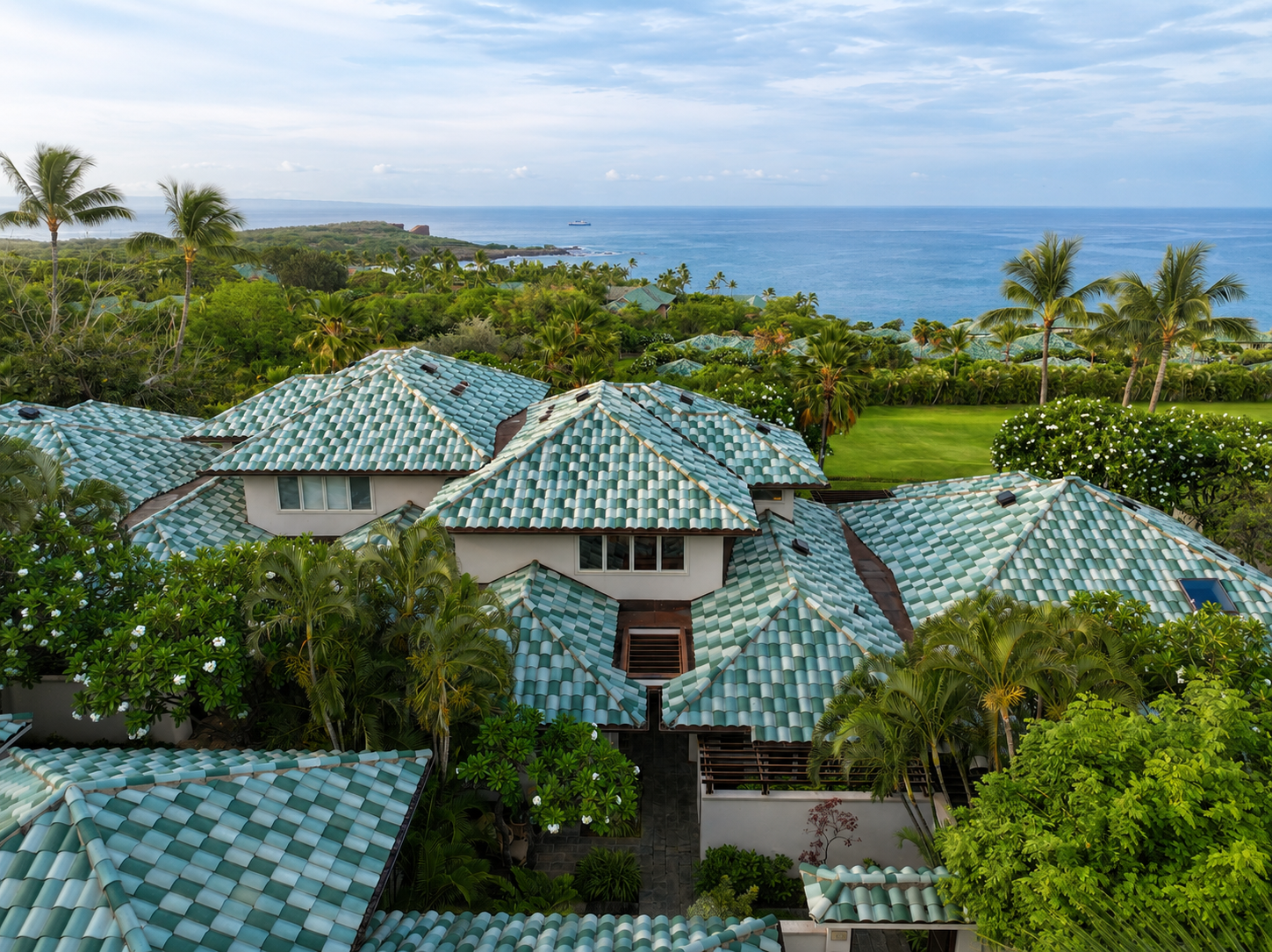
Experience island living at 15C Polihua Place #17, a meticulously maintained, turnkey residence in Manele Bay Terraces Phase IV on Lanai. With 3 bedrooms, 3 bathrooms, and 2,891 square feet, this home welcomes you with sweeping Pacific Ocean views.
Experience island living at 15C Polihua Place #17, a meticulously maintained, turnkey residence in Manele Bay Terraces Phase IV on Lanai. With 3 bedrooms, 3 bathrooms, and 2,891 square feet, this home welcomes you with sweeping Pacific Ocean views.
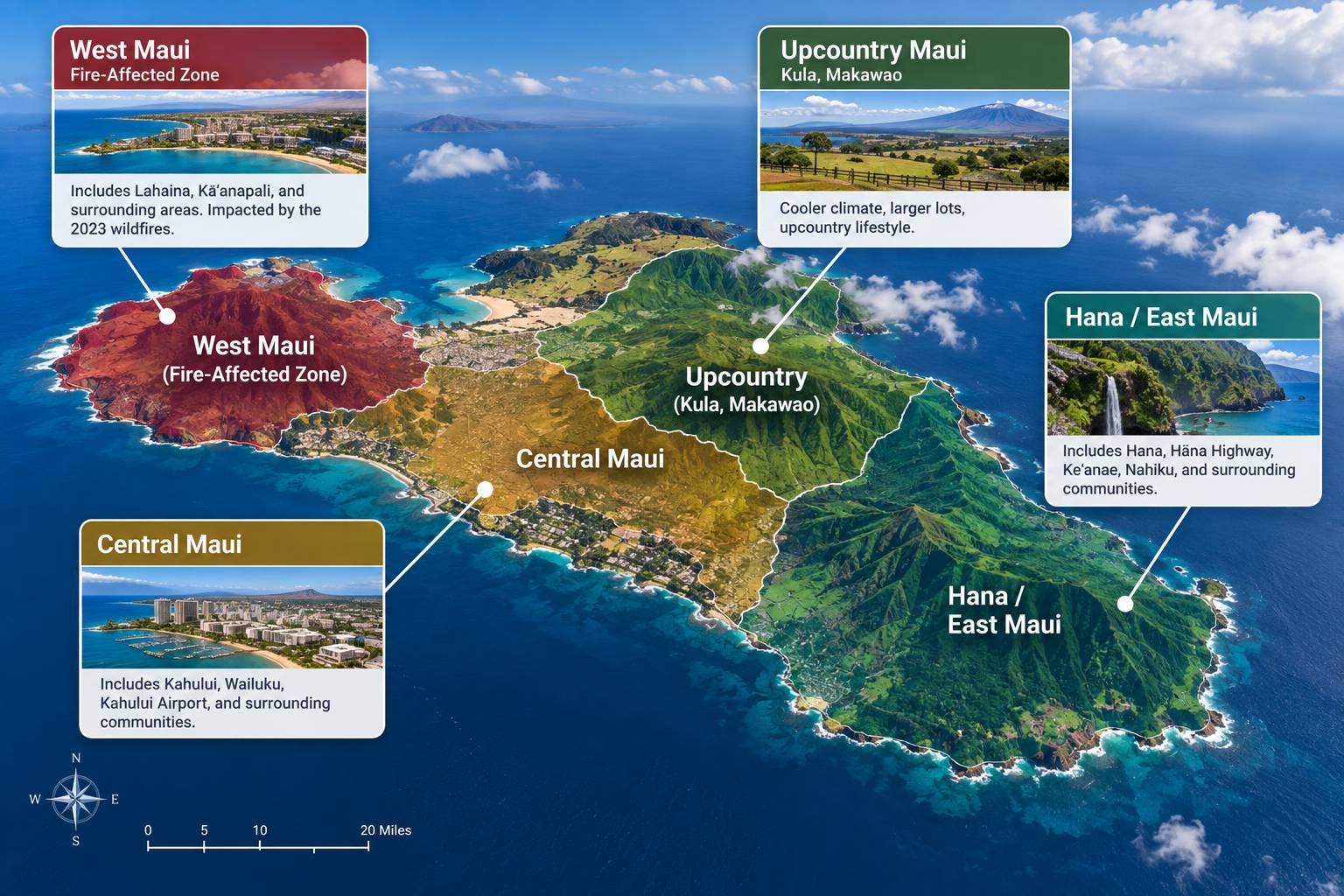
Maui’s land market shifted after the August 2023 Lahaina wildfires. Buyers searching for Hawaii land for sale on Maui now need clear data on pricing in unaffected areas, legal protections in fire zones, financing realities, and ethical practices that respect local communities. This guide outlines the post-fire landscape for mainland and local buyers, including where genuine opportunities exist and how to avoid common pitfalls.
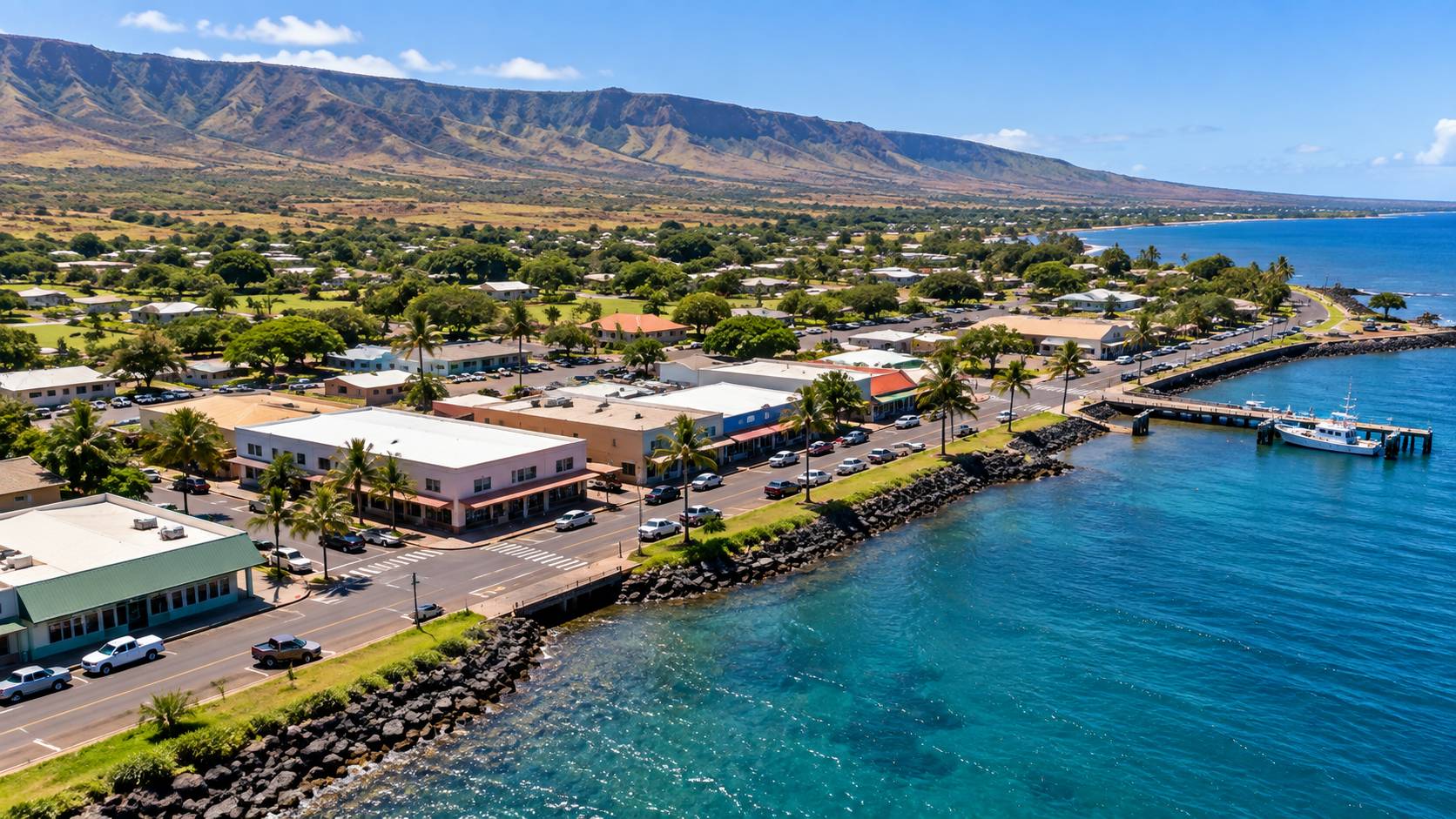
Moloka‘i’s commercial real estate market follows different rules than O‘ahu or Maui. With a resident population of roughly 7,345 and only a handful of commercial transactions each year, this is not a market built for rapid flips or high-volume rental plays. It is a relationship-driven, community-sensitive environment where the right small-scale investment can serve local needs—if you understand the island’s distinct constraints and opportunities.

Hawai‘i property owners navigate one of the most distinctive tax environments in the United States. Rates for owner-occupied homes rank among the lowest nationally, yet the structure differs sharply from the mainland. County classifications, the General Excise Tax, conveyance tax tiers, and HARPTA withholding all influence the true cost of buying, owning, and selling real estate across the islands.
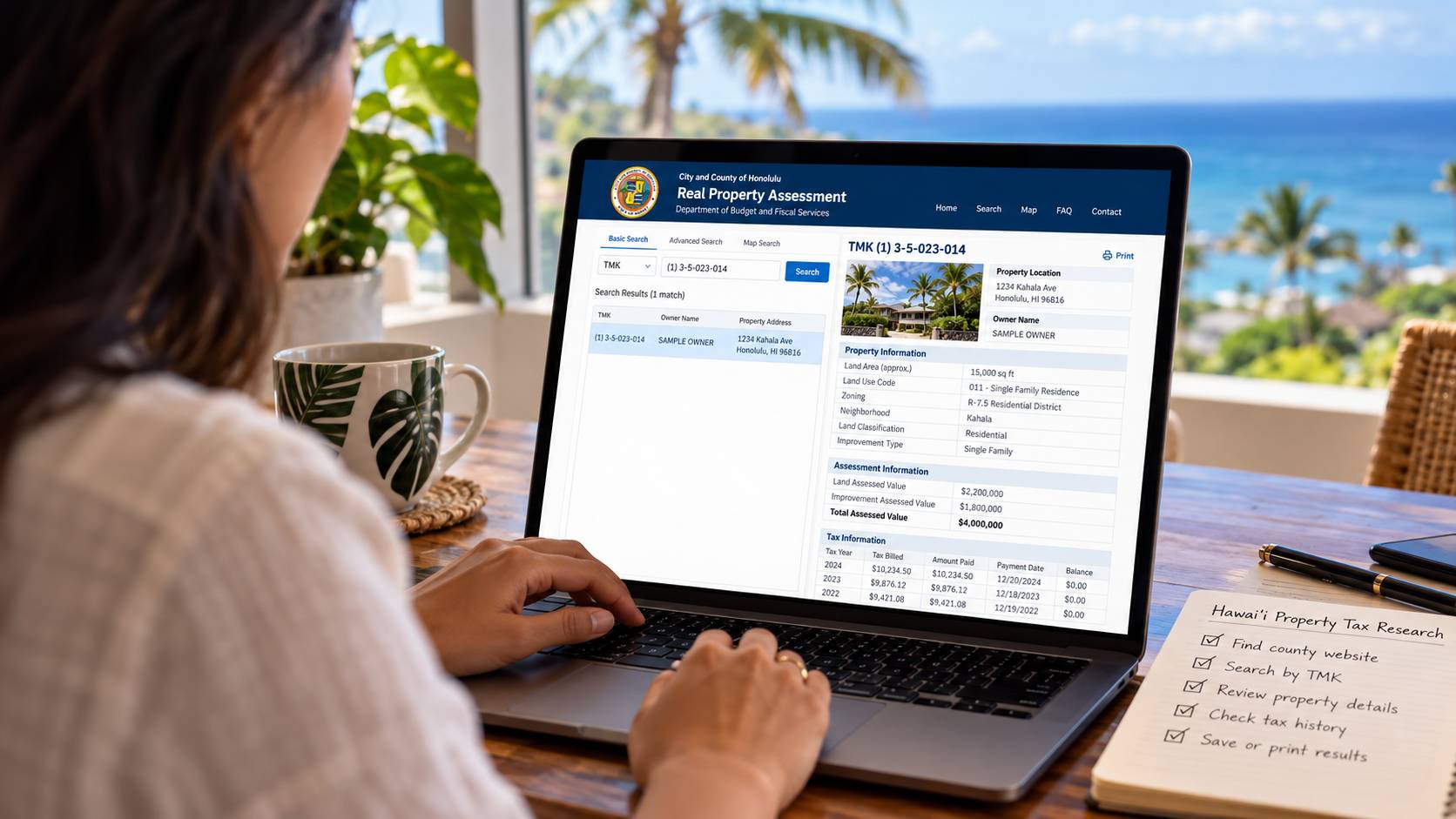
Searching property tax records in Hawai‘i is not as simple as opening a single statewide database. Each of the four counties—Honolulu, Hawai‘i, Maui, and Kaua‘i—maintains its own separate tax system with different portals, search interfaces, and data formats. Whether you are verifying an assessment before making an offer, checking payment history during due diligence, or researching comparable properties, you need to know which county system to access and how to extract the information that matters.
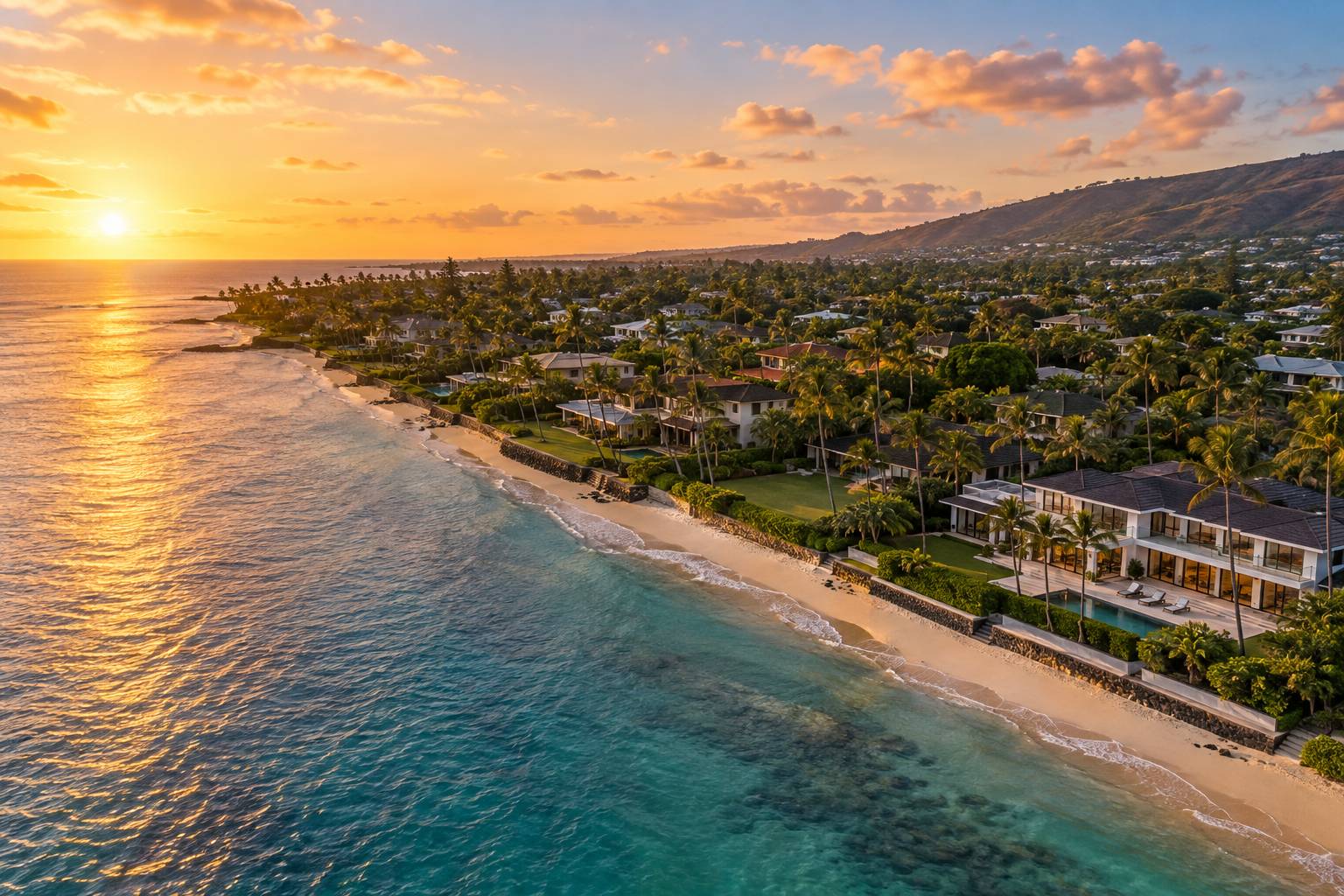
Hawaii’s luxury real estate market operates at price points that few mainland markets match. Oceanfront estates routinely trade for $30 million and higher. If you are evaluating ultra-luxury property in the islands or simply want to understand what supports these valuations, it helps to know which neighborhoods set the records and which features separate a $20 million home from a $65 million one.
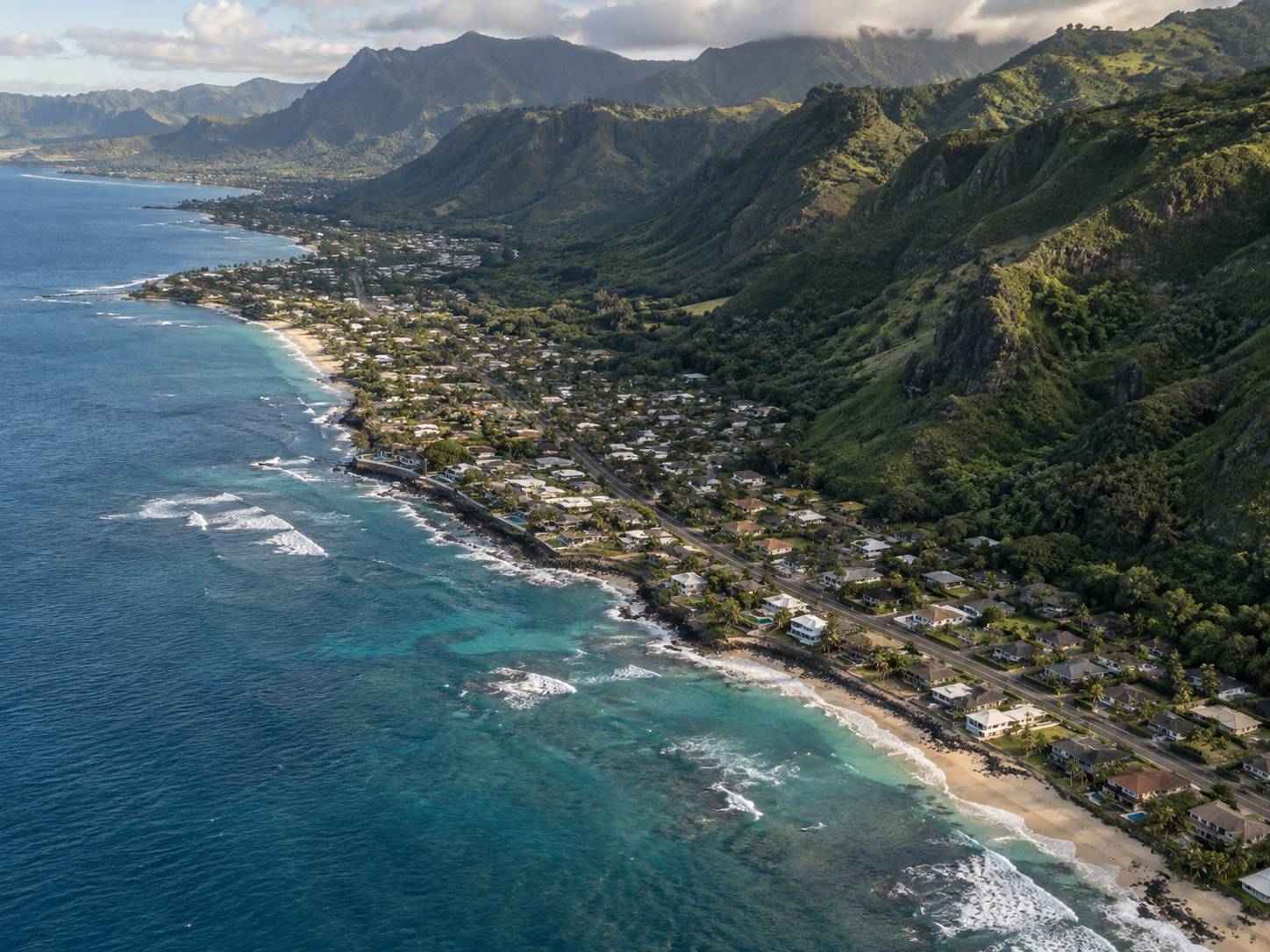
Hawai‘i real estate continues to draw investors seeking island living and long-term value growth. The investment case here differs from many mainland markets. High carrying costs, limited supply, and regulatory factors shape outcomes more than short-term rental yields or quick flips. The core question is not whether properties appreciate over decades. It is whether the appreciation-focused model with elevated ownership costs fits your timeline, capital reserves, and financial goals.
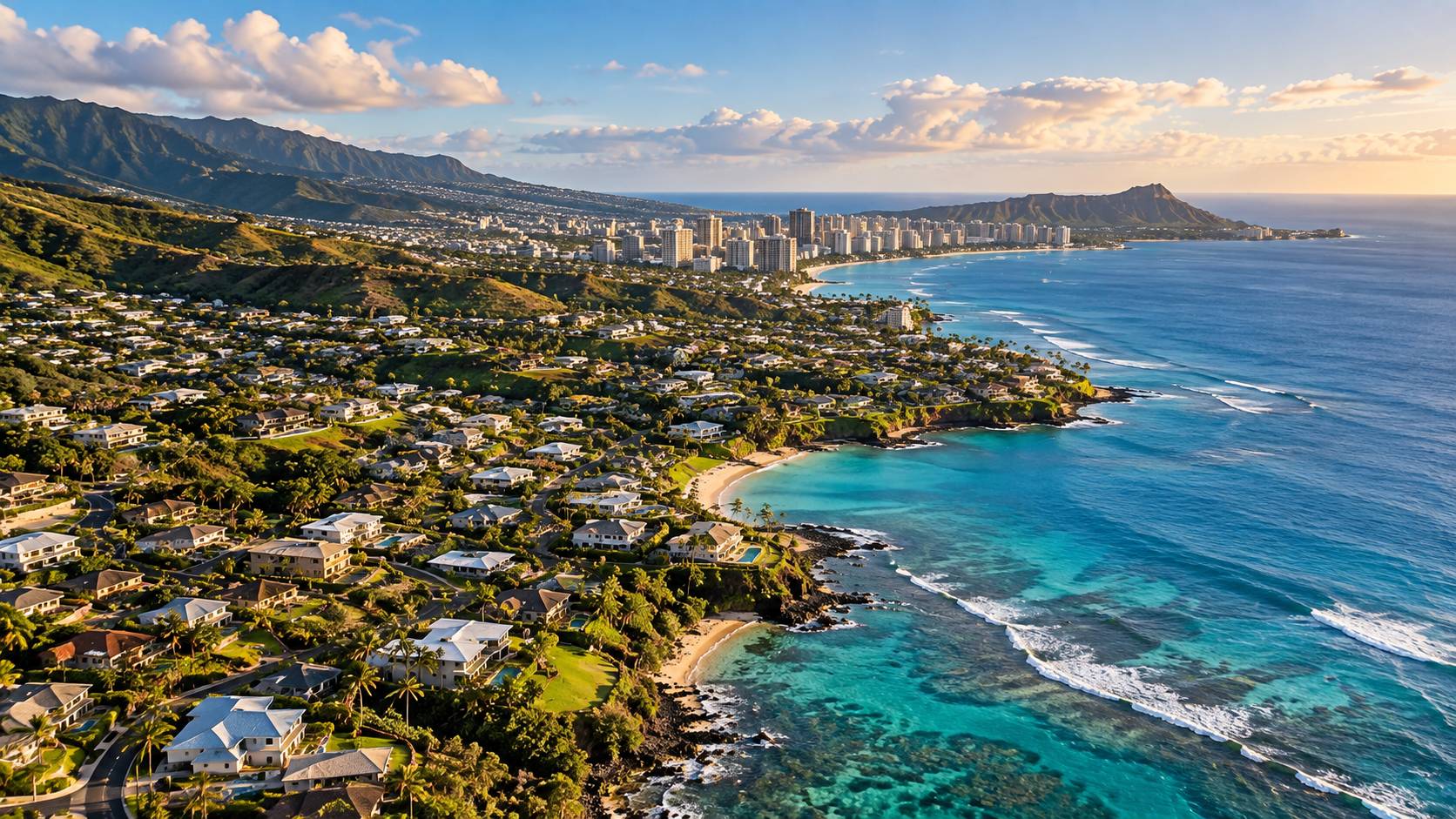
Hawai‘i real estate attracts buyers with the promise of appreciation, lifestyle value, and portfolio diversification. The reality is more complex than mainland investing. Median prices range from roughly $665,000 on Hawai‘i Island to $1.35 million on Kaua‘i. Capital requirements alone filter out many casual investors. Add vacation rental restrictions, tax burdens that can exceed 15% on short-term income, and property tax rates that are often several times higher for non-owner-occupied homes, and the market clearly rewards preparation over optimism.
Hawai‘i’s real estate market offers high-value transactions and the draw of island living, yet the path for new agents is more demanding than the commission math suggests. Before investing in a license, understand actual earnings, how the cost of living shapes sustainability, and which choices improve the odds of building a lasting career. This guide covers licensing requirements, income realities, specialization options, brokerage selection, and practical first steps.
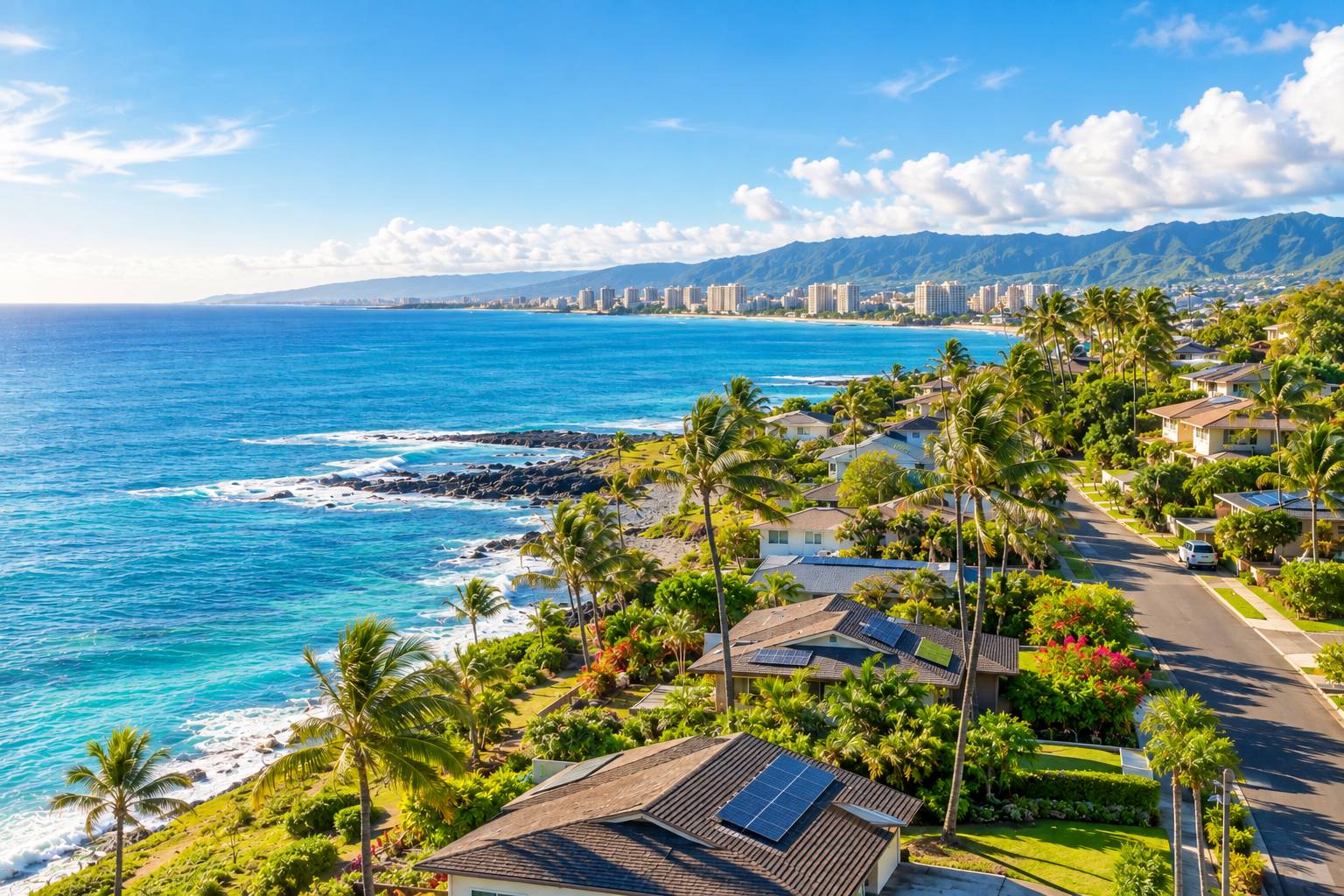
Buying a home in Hawai‘i differs from purchases on the mainland. Leasehold properties, lava zones, cesspools, and a market where a substantial share of homes sell above asking price raise the stakes. A buyer's agent does more than open doors. They help prevent mistakes that can affect ownership for years. Nationally, most buyers work with agents. In Hawai‘i's layered market, professional representation is the practical standard.